

Siemens PAVE360 Automotive Accelerates Software-Defined Vehicle Development with Pre-Integrated Digital Twin Platform

Introduction
The automotive industry is undergoing a fundamental transformation as vehicles evolve from mechanically-driven systems to software-defined platforms. This shift has introduced unprecedented complexity in integrating Advanced Driver-Assistance Systems (ADAS), Autonomous Driving (AD), and In-Vehicle Infotainment (IVI) systems. In December 2025, Siemens addressed this challenge by launching PAVE360 Automotive, a groundbreaking digital twin software that promises to revolutionize how automakers develop software-defined vehicles (SDVs).
What is PAVE360 Automotive?
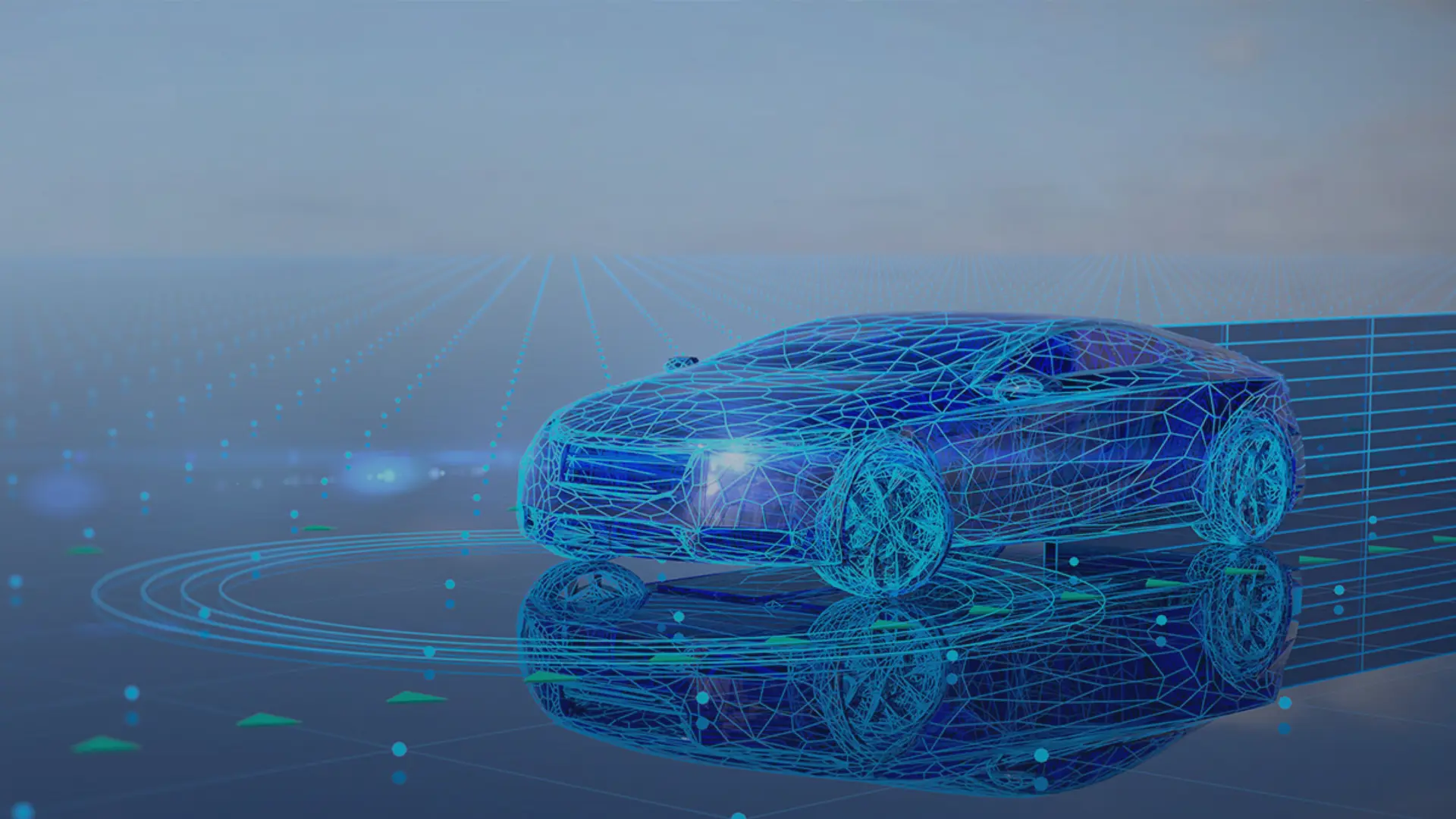
PAVE360 Automotive represents a new category of digital twin software specifically engineered for automotive development. Unlike traditional simulation environments that require months of custom integration work, PAVE360 Automotive delivers a pre-integrated, system-level virtual environment that precisely mirrors real vehicle hardware from day one. This off-the-shelf, cloud-based solution enables automotive engineers to begin full-system virtual integration immediately, reducing setup times from months to days.
The platform leverages Siemens' Innexis™ software environment combined with supporting technologies to create comprehensive system-level digital twins of ADAS, AD, and IVI capabilities. By providing hardware-like simulation speeds and real-world validation capabilities, PAVE360 Automotive bridges the gap between virtual development and physical testing.

Key Technical Capabilities
Accelerated Development Through Virtual Integration
PAVE360 Automotive's primary strength lies in its ability to facilitate early, full-system virtual integration. The platform allows development teams to test and validate both application-level and low-level software in a unified environment that accurately represents the complete vehicle system. This approach enables engineers to identify and resolve integration issues far earlier in the development cycle than traditional methods allow.
The digital twin environment includes both IVI and ADAS Electronic Control Unit (ECU) models connected via a simulated vehicle network. An AI-infused vehicle scenario simulator provides virtual sensor data and receives feedback from the SDV electronics model, creating a realistic testing environment that captures the complex interdependencies between different vehicle systems.
Strategic Partnership with Arm
A critical component of PAVE360 Automotive's capabilities stems from Siemens' collaboration with Arm. The platform integrates Arm's Zena Compute Subsystem (CSS), which provides the computational foundation for modern automotive processors. This integration enables developers to begin software development on Arm-based platforms up to two years earlier than traditional approaches would allow.
The partnership builds on previous collaborations that delivered accelerated virtual environments for Arm Cortex-A720AE in 2024 and Arm Zena CSS in 2025. By incorporating the latest automotive IP at hardware-like simulation speeds, PAVE360 Automotive allows engineers to develop and test software before physical silicon becomes available.
Cloud-Based Collaboration and Scalability
PAVE360 Automotive's cloud-native architecture addresses the modern automotive industry's need for distributed development teams and flexible resource allocation. The platform enables unified development across geographically dispersed teams while optimizing computational efficiency through cloud-based resources.
Users can customize and scale their digital twin environments by adding software components, models, and external hardware as needed. This flexibility allows organizations to tailor the platform to their specific development requirements while maintaining the benefits of a pre-integrated foundation. The digital twins can also be connected to physical hardware and tested in real vehicles, providing crucial real-world validation feedback.
Industry Impact and Applications
Addressing Software-Defined Vehicle Complexity
The automotive industry faces mounting pressure from increasing vehicle complexity and rising consumer expectations for innovation. Modern vehicles integrate dozens of ECUs running millions of lines of code, with ADAS, AD, and IVI systems requiring seamless coordination. Traditional development methods, which rely heavily on physical prototypes and late-stage integration testing, struggle to manage these system-level interdependencies effectively.
PAVE360 Automotive enables a shift-left approach to development, where integration testing and validation occur much earlier in the development cycle. This methodology reduces the risk of costly late-stage discoveries and accelerates time-to-market for new vehicle features and capabilities.
Continuous Integration and Deployment
The platform supports continuous integration and continuous deployment (CI/CD) workflows at the system level, allowing developers to focus on their specific responsibilities within the context of the entire vehicle system. This approach fosters better collaboration between teams working on different subsystems and ensures that changes are validated against the complete system architecture.
Availability and Ecosystem
Siemens demonstrated PAVE360 Automotive for the first time at CES 2026 in January, showcasing a real production vehicle operating autonomously in a virtual environment. The demonstration featured the PAVE360 Automotive digital twin running in the cloud, implementing vehicle electronics and software while allowing visitors to activate physical car features via IVI and ADAS applications.
General availability of PAVE360 Automotive is scheduled for February 2026, following an initial release to key customers. The platform is supported by a broader PAVE360 ecosystem that includes partners such as AMD, Elektrobit, KPIT, Microsoft, Qt, Sensory Inc., Tata Technologies, Telechips, TierIV, and Wipro.
Conclusion
PAVE360 Automotive represents a significant advancement in automotive simulation and digital twin technology. By providing a pre-integrated, cloud-based environment for full-system virtual integration, Siemens has created a platform that addresses the fundamental challenges facing software-defined vehicle development. The combination of hardware-accurate simulation, early integration capabilities, and cloud-based collaboration positions PAVE360 Automotive as a transformative tool for the automotive industry's digital transformation.
As vehicles continue to evolve into increasingly sophisticated software platforms, tools like PAVE360 Automotive will become essential for managing complexity, accelerating development cycles, and ensuring the quality and safety of next-generation automotive systems.